

6 October 2026 | Australia Today
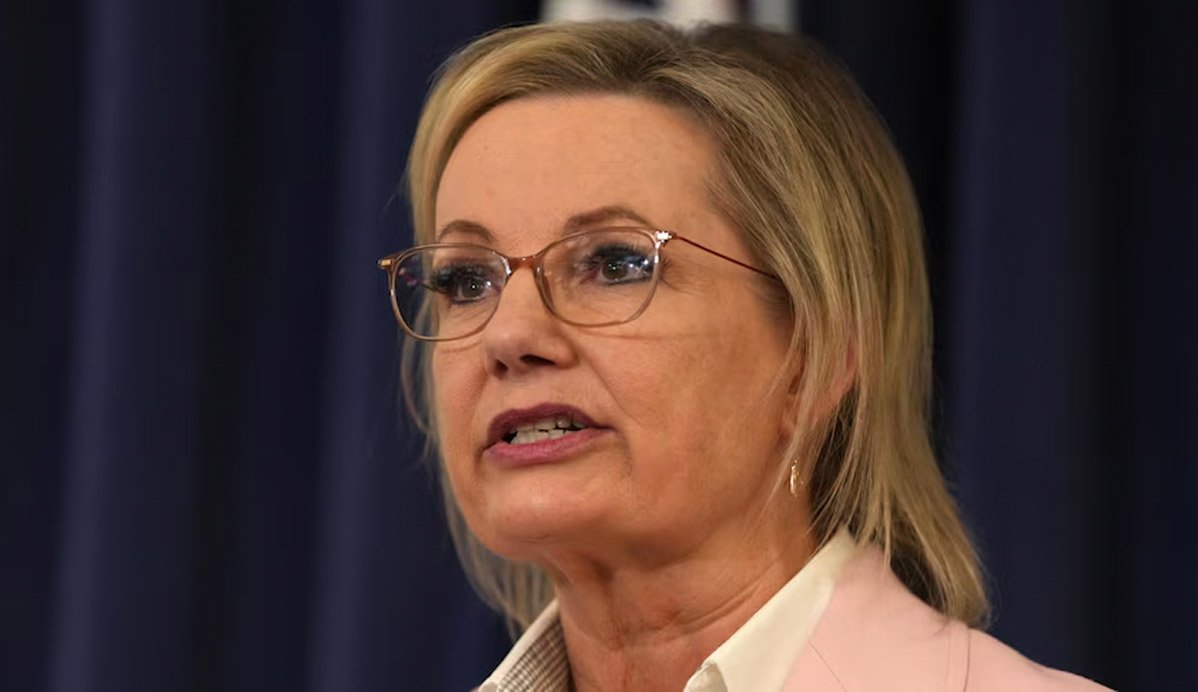
The Liberal–National Coalition, Australia’s main Opposition, has unveiled a new migration policy that, if implemented, would substantially reduce temporary migrant numbers and humanitarian visa places while placing greater emphasis on attracting skilled workers.
Under the plan, the Coalition intends to cut the total number of temporary visa holders by about 650,000 over four years. It also aims to bring net overseas migration to around 100,000 a year in the first two years.
Opposition Leader Angus Taylor has described the policy as the largest migration reduction program in Australia’s history. Under the announced plan, net migration would be 100,000 in each of the first two years, before gradually rising to around 160,000 in the fourth year.
Sharp reduction in humanitarian visa places
One of the plan’s most significant measures, particularly for migrant and refugee communities, is a reduction in Australia’s humanitarian program.
Under the Coalition’s proposal, the annual humanitarian visa allocation would be almost halved, to 10,000 places a year under the proposal.
If the proposal becomes government policy in future, the change could be particularly significant for humanitarian applicants and families whose relatives overseas are awaiting decisions on their migration applications.
Major changes for international students
International students are another key focus of the Coalition’s proposed policy.
Under the plan, international student enrolments would be capped at 240,000 students. The Coalition has also proposed abolishing Australia’s Temporary Graduate visa program.
This visa currently allows many international graduates to live and work in Australia for a period after completing their studies and, in some cases, pursue other migration pathways.
If implemented, abolishing the program could significantly affect international students’ study plans and future employment prospects in Australia.
Greater emphasis on skilled migration
Despite proposing substantial cuts to temporary migration, the Coalition says it does not intend to restrict every migration pathway to the same extent.
Under the announced plan, temporary skilled visas would increase by around 100,000 under the plan. The Coalition has also pledged to accelerate the processing of outstanding visa applications for building and construction workers.
The Opposition Leader argues that Australia’s migration policy should focus more closely on the skills needed by the economy and labour market.
Housing and living costs at the centre of the migration debate
The policy announcement comes as Australia continues to face rising living costs, housing shortages and pressure on some public services and infrastructure.
The Coalition argues that lower migration could ease some of the pressure on housing, schools, roads and other infrastructure.
Migration levels have become a major political issue in Australia in recent months. One Nation has also called for steep reductions in temporary migration, increasing political pressure on the major parties.
How does the Labor Government’s policy differ?
Australia’s Labor Government also plans to reduce net migration, but its proposed cuts are more limited than those in the Coalition’s new plan.
Under the government’s plan, annual net migration would fall to around 225,000 by 2028.
Migration to Australia rose sharply after the country reopened its borders in February 2022 and ended COVID-19 pandemic restrictions. International students, young working holidaymakers and temporary workers were key contributors to that increase.
However, migration figures have fallen over the past two years. Net overseas migration in the year to 30 June 2025 was reported at around 306,000 people.
Why does this matter for Afghan migrants and Farsi-speaking Australians?
For Afghan and other Farsi-speaking communities in Australia, the key measures are fewer humanitarian visa places, tighter restrictions on international students, the possible abolition of the Temporary Graduate visa and, conversely, an increase in some skilled worker visas under the proposal. If implemented, reducing the humanitarian program to 10,000 places a year could be especially significant for Afghans who, or whose family members, are seeking humanitarian pathways to Australia.
However, it is important to emphasise that these changes are not currently Australian law or government policy. The plan has been proposed by the Liberal–National Coalition, which is currently in Opposition. Australia’s next general election is not scheduled until 2028. Visa holders and migration applicants should therefore not assume that current visa allocations or migration requirements have changed immediately as a result of this announcement.
Source: Reuters report published on 6 October 2026.