

According to the Associated Press, as the death toll from recent protests in Iran rises, senior officials of the Islamic Republic have explicitly called for a firm response without leniency towards protesters. This position directly contrasts with the US president’s pledge to support peaceful demonstrators.
In remarks broadcast on Iranian state television, the Islamic Republic’s leader, Ayatollah Ali Khamenei, verbally attacked Donald Trump, holding him responsible for “Iranian bloodshed” and portraying street protests as an effort to please the US president. Those present responded with strong anti-American chants.
According to the Associated Press, Iranian state media subsequently labelled protesters “terrorist agents”—language that, in previous instances, has preceded widespread and violent security crackdowns.
Iran’s judiciary chief, Gholamhossein Mohseni Ejei, similarly warned that detainees would face a “maximum, decisive response without any legal leniency”. His remarks signalled the authorities’ determination to bring the protests to a swift end.
Communications blackout obscures the true scale of protests
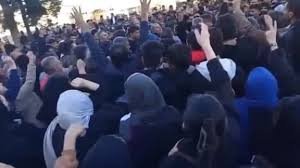
According to the Associated Press, internet access and international telephone calls in Iran have been widely cut off as protests intensify. Despite these restrictions, videos shared by activists show night-time gatherings, anti-government slogans and burning barricades in Tehran and several other cities.
Iranian officials claim that violence has been organised by “agents linked to the United States and Israel”. They have acknowledged casualties but provided no details. Meanwhile, human rights organisations based abroad report at least 50 deaths and more than 2,200 arrests.
The Associated Press’s analysis indicates that the protests, which began with economic demands, have become the most serious political challenge to Iran’s authorities in several years. The falling value of the rial and the consequences of the recent 12-day war have further fuelled public dissatisfaction.
Reza Pahlavi’s role and the international response
According to the Associated Press, calls by Reza Pahlavi, Iran’s former crown prince, for night-time gatherings, particularly at 8 pm, have played a significant role in expanding the protests. Some slogans supporting the monarchy and the former shah reflect the depth of protesters’ anger and their symbolic crossing of longstanding political red lines.
Analysts believe the internet shutdown may have provided cover for greater violence by security forces, in addition to limiting the organisation of protests. Meanwhile, the European Union and the German government have condemned the violent treatment of protesters.
Trump renews his threats
Donald Trump has again warned that Iran will face “heavy costs” if peaceful protesters are killed. In separate interviews, he reiterated the threat while declining to give a clear answer about meeting Reza Pahlavi. He also suggested that the Islamic Republic’s leader might be seeking to leave the country.
In the Associated Press’s assessment, the combination of domestic pressures, external threats and widening economic divisions has brought Iran into a sensitive phase. How the authorities respond to the protests could have far-reaching consequences for the country’s political future and its regional relations.