

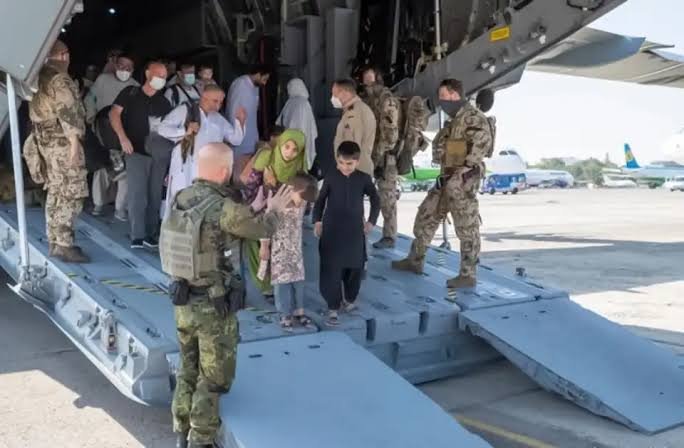
Four years after Kabul’s fall, hundreds of Afghan citizens who worked with Australia’s defence forces, diplomats and associated organisations in Afghanistan are still waiting for visas and relocation to safety. A new ABC Radio National report has again brought their fate and Australia’s responsibility towards them into focus.
ABC’s “Global Roaming” program examined the issue on Tuesday, 29 September, with two people who have spent years working to relocate Australia’s local Afghan colleagues. ABC says these people continue to face serious risks because of their past work.
Those Who Worked Alongside Australia
During Australia’s presence in Afghanistan, a number of Afghan citizens worked alongside its defence forces, diplomats and associated organisations. Their work was often important to Australian missions in Afghanistan. However, many faced changed circumstances after the Taliban returned to power in 2021. ABC reports that hundreds of people who worked with Australia are still waiting for visas and face serious security risks.
Four Years of Waiting After Kabul’s Fall
The withdrawal of international forces and Kabul’s fall in August 2021 triggered a large-scale evacuation of Afghan citizens. Many people who had worked with foreign governments and forces tried to leave Afghanistan. Yet ABC’s report shows that, four years later, some of Australia’s local colleagues still have unresolved cases. For them, lengthy processing means more than waiting for an immigration decision: it brings serious concerns about their own safety and that of their families.
A “Promise” Advocates Say Remains Unfulfilled
In the program, ABC interviewed Dr Tony Murney, a security adviser, and Susan Hutchinson, executive director of the women’s rights organisation Azadi-e Zan. Both have spent years working to relocate Australia’s local colleagues to safety. The guests criticised what they see as Australia’s obligations towards these colleagues, arguing that successive Australian governments have failed to fully honour their promise. ABC’s report also focuses on the “human cost” of the prolonged wait.
Working With Australia and Its Consequences
The issue of local colleagues goes beyond an immigration case. Much of the debate concerns the relationships built between these people and Australian institutions during Australia’s years in Afghanistan. People who worked as interpreters, local employees or support staff for foreign missions faced changed circumstances after the change of government in Afghanistan. Their advocates argue that their past work with Australia creates a special responsibility to protect them.
Special Program for Afghan Local Employees
Australia has a program for Afghan Locally Engaged Employees (LEE) . The program is intended for people whose work with Australia’s mission in Afghanistan has been officially certified and who are at risk because of that work. Under current rules, the LEE process involves certification by the relevant Australian agency followed by a humanitarian visa application. The deadline for new LEE certification applications ended in November 2023, but the Australian Government continues to assess applications lodged before the deadline.
Remaining in Afghanistan Makes Processing More Difficult
A major problem for applicants still in Afghanistan is completing visa procedures. The Australian Government says that if an applicant is in Afghanistan and has not yet provided biometrics, their case cannot be processed while they remain there. It also says it cannot help people leave Afghanistan. Applicants able to travel to another country for biometrics should inform the Department of Home Affairs so arrangements can be made for this step in that country.
An Issue That Remains Unresolved
More than four years after Kabul’s fall, the fate of local colleagues has again been raised in Australian media. ABC’s new report shows that, years after Australia’s military mission in Afghanistan ended, its human consequences continue. For hundreds of Afghans who once worked alongside Australia, this is not simply a matter of the past. Until their cases are resolved, waiting for visas and a place of safety will remain part of their daily lives.
Source: ABC Radio National – Global Roaming, September 2026