

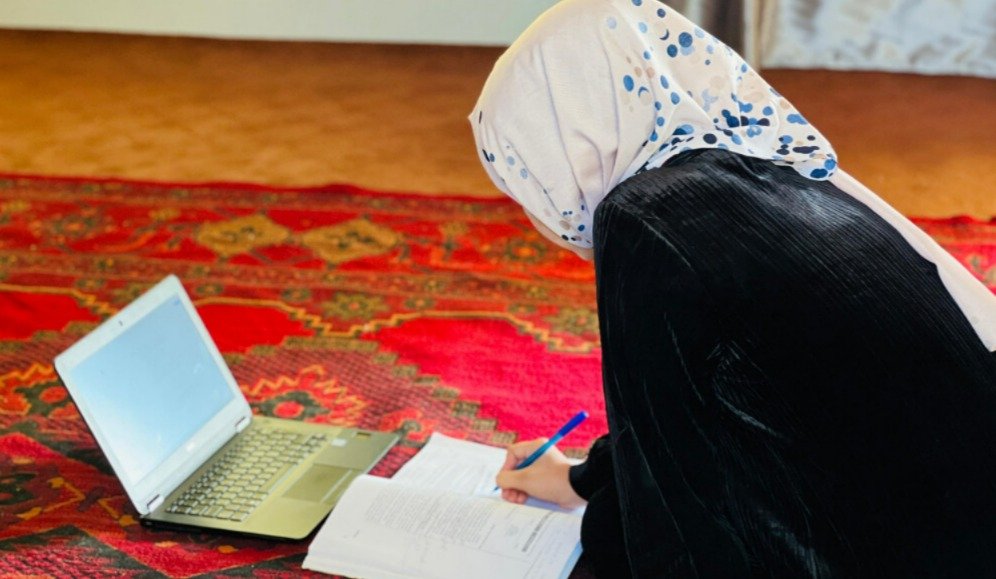
While Taliban restrictions have deprived millions of Afghan girls and women of secondary and university education, an education program based in Adelaide, Australia, is trying to help some women in Afghanistan continue learning online. A new SBS News report shows that online education has become one of the few ways for some Afghan women to continue their studies. Despite extensive restrictions, these women have not lost hope of learning and building a different future.
Classes Bridging the Distance Between Adelaide and Afghanistan
The program operates from Adelaide in South Australia and uses technology to deliver education to women inside Afghanistan. Online classes allow women and girls whose access to formal education has been restricted to continue learning from home. For participants, the classes offer more than knowledge. Education helps them maintain contact with the outside world and continue a journey halted by existing restrictions. SBS describes the initiative as a “pathway to hope” for Afghan women.
Women’s Education: One of Afghanistan’s Most Severe Restrictions
Since the Taliban returned to power in August 2021, extensive restrictions have been imposed on education for girls and women. Girls have been barred from continuing secondary school, and women are not allowed to attend universities. These restrictions have interrupted the educational and professional paths of many women and girls. Many were once school or university students with plans for their studies and careers, but their educational options are now severely limited.
Online Education: A Way Around Restrictions
In these circumstances, distance learning has become more important. Online programs can give women inside Afghanistan access to educational resources and teachers without physically attending school or university. This approach is not a complete substitute for formal education. Internet access, electricity and digital devices may still be difficult for many families to obtain. Yet for women unable to attend educational institutions, online classes can be among the few available ways to keep learning.
Australia’s Role in Keeping Education Accessible
The significance of this program goes beyond distance learning. Its operation from Adelaide shows that Australian society can also help create educational opportunities for Afghan women. Australia and Afghanistan are thousands of kilometres apart, but technology has greatly reduced that distance for students and teachers. A class managed from Australia can become an opportunity for a young woman in Afghanistan to continue her education from home.
Women Who Refuse to Give Up Their Educational Dreams
One of the initiative’s most important aspects is the continued effort of women who refuse to give up studying despite exclusion from formal education. Their use of online classes shows that restrictions on schools and universities do not necessarily end the determination to learn. For many of these women, continued education is directly connected to their future. It can preserve their skills and prepare them for future opportunities, whether in Afghanistan or if their living circumstances change.
From an Online Classroom to Hope for the Future
The Adelaide-based program is one example of efforts to keep Afghan women’s educational pathways open in today’s difficult circumstances. Such programs cannot, on their own, fill the gap caused by exclusion from formal education, but they can preserve opportunities for some women to continue learning. For women unable to enter classrooms and universities, a computer or mobile phone screen can become a window to education: one that remains open across thousands of kilometres, from Australia to Afghanistan.
Source: SBS News, September 2026